
Lower heating costs in winter
Brick veneer walls without cavity insulation let up to a third of a home’s heat escape. Filling the gap with insulating material slows this loss, so your heater runs less often and your power bills drop.
Hastings Wall Insulation
Cavity wall insulation for Hastings homes stops winter heat loss through brick veneer walls. We inspect, drill and inject insulation to fill the gap between leaves, then patch the holes so your walls look as good as they perform.
Share your details and Expert Insulation Melbourne will contact you about Cavity Wall Insulation in Hastings.
Cavity wall insulation fills the air gap between the inner and outer leaves of brick veneer walls with insulating material. In Hastings, many homes built from the 1960s onwards use this construction, which lets cold air seep in and warm air escape unless the cavity is filled. We check the wall type and moisture levels first, then inject loose-fill or foam insulation through small holes drilled in the mortar. After filling, we patch and colour-match the holes so they disappear.
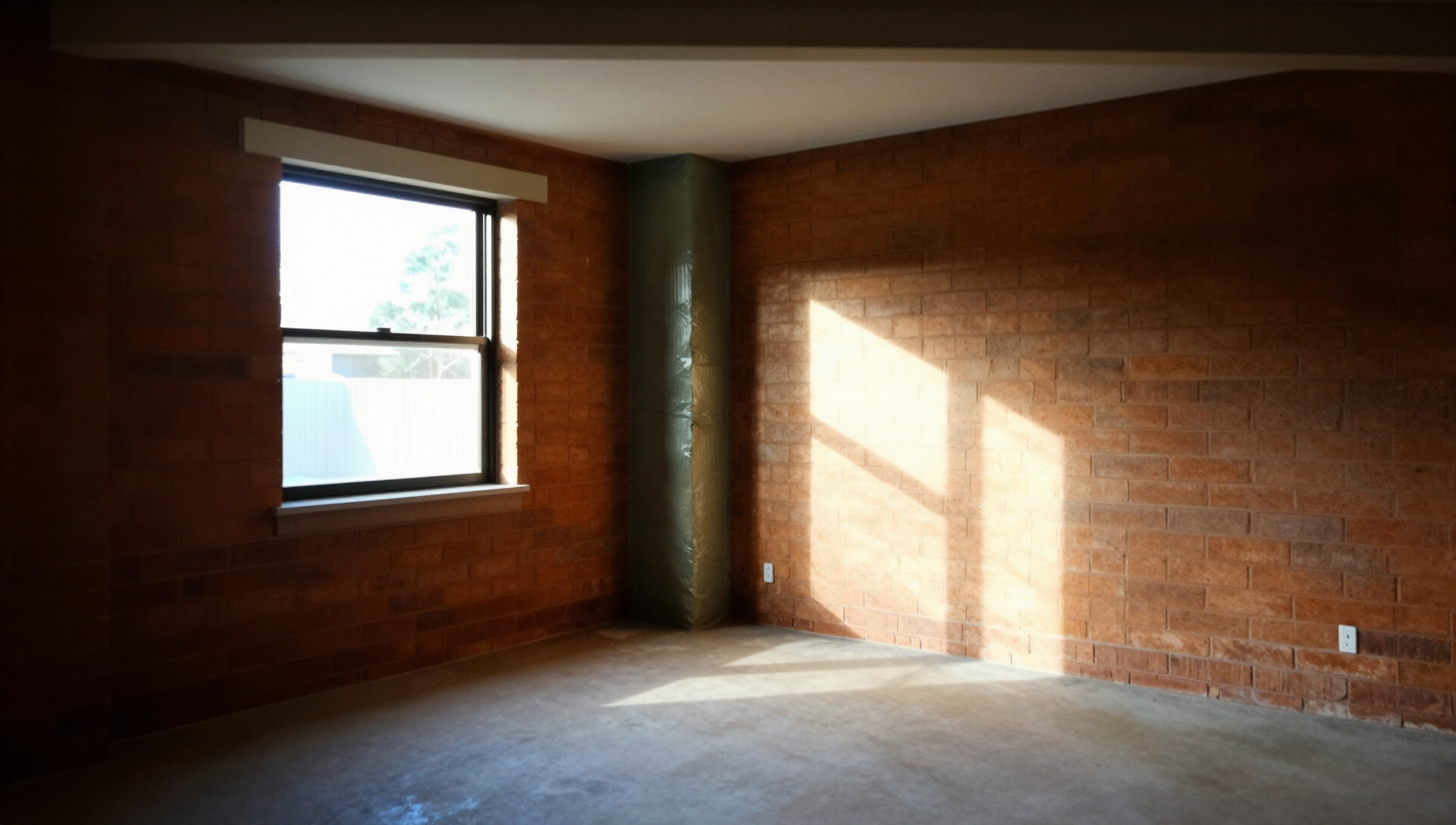
Hastings sits on the Mornington Peninsula where cold southerly winds and damp winters make uninsulated brick veneer walls a major source of heat loss. Filling the cavity cuts that loss, stabilises indoor temperatures and reduces the workload on your heating system.
Brick veneer walls without cavity insulation let up to a third of a home’s heat escape. Filling the gap with insulating material slows this loss, so your heater runs less often and your power bills drop.
Air moving through the cavity creates cold draughts near external walls and uneven temperatures between rooms. Cavity insulation blocks that airflow, making living areas more comfortable.
We only proceed if the wall is dry and suitable. Properly installed cavity insulation does not trap moisture, and in many cases it helps reduce internal condensation by keeping wall surfaces warmer.
The work is done from outside, with only small holes in the mortar. There is no need to remove internal linings, furniture or flooring, and the process is usually finished in a day for an average Hastings home.
Insulated cavities let the brick store and slowly release heat, smoothing out temperature swings. This means your home stays warmer for longer after the heater turns off.
Quality cavity insulation materials do not sag or compress over time. Once installed, they maintain their R-value and effectiveness for the life of the building.
We follow a careful process to ensure cavity wall insulation is suitable, effective and invisible. Each step is tailored to your Hastings home’s construction and condition.
We start by confirming your walls are brick veneer or suitable double brick, and that there are no moisture issues. If we find damp, we advise on fixes before proceeding. If old insulation might contain asbestos, work stops until a qualified asbestos assessor inspects it.
Using a small drill, we create access points in the mortar joints between bricks. These holes are spaced to ensure even fill across the entire cavity, and are positioned to be as unobtrusive as possible.
We use specialised equipment to blow loose-fill insulation or inject foam into the cavity through the holes. The material expands to fill the gap completely, with no voids or bridging that would reduce performance.
Once the cavity is filled, we plug the holes with matching mortar and touch up the colour so they blend in with the existing brickwork. The finished result is virtually invisible from the ground.
Hastings has many brick veneer homes built from the 1960s to the 1990s, often with uninsulated wall cavities. These houses feel cold in winter because heat escapes through the outer leaf and cold air seeps in. Cavity wall insulation is one of the most cost-effective ways to improve comfort and cut energy use in these properties. Nearby areas like Somerville and Crib Point share similar housing stock, and we service those suburbs as well.
Fill the gap in brick veneer walls to stop heat loss and draughts in Hastings homes.
Homeowners in Hastings often ask how cavity wall insulation works, whether their house is suitable and what to expect during installation. Here are the answers to the most common questions.
If your Hastings home has brick veneer walls, cavity insulation is a straightforward way to reduce heat loss and energy costs. Many houses in Hastings were built with an uninsulated air gap between the inner timber frame and the outer brick leaf. This gap allows cold air to enter and warm air to escape, making heating systems work harder. Filling the cavity with insulating material blocks that airflow and improves thermal performance without altering the look of your home.
The process begins with an inspection to confirm the wall type and check for moisture. We then drill small holes in the mortar, inject insulation to fill the cavity and patch the holes to match the existing brickwork. The work is done from outside, so there is no disruption inside your home. Most Hastings properties are completed in a single day, with the insulation performing for the life of the building.
Cavity wall insulation is particularly effective in Hastings due to the local climate. Cold winters and frequent southerly winds make uninsulated brick veneer walls a major source of heat loss. By filling the cavity, you can reduce heating costs, eliminate draughts and create a more consistent indoor temperature. It is a practical upgrade for older homes that were not built with modern insulation standards.
Stop heat loss through your brick veneer walls. Call Expert Insulation Melbourne on 0399695249 or email info@expertinsulationmelbourne. com. au to arrange an inspection and quote for cavity wall insulation in Hastings.